
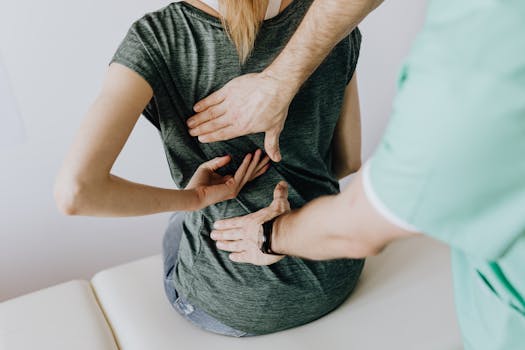
We base osteopathy on the belief that the body has all it takes to keep itself in a well functioning state, heal itself, and all its systems are interdependent. What happens in one part of the body can easily affect another part of the body, much like how a toothache in your mouth can leave you in mental discomfort, and unable to concentrate on work, which is a mental process.
Manual Osteopathy Therapy Overview: It’s typical that in an osteopathy session, your therapist could check your knees when you’re complaining of a chronic headache. It’s possible that a knee injury could cause your headache. We do not set this principle in stone, but it’s a good way to eliminate all options.
Manual osteopathy comes in four major forms. They are:
Osteo-articular adjustments Fascial release Cranial-sacral techniques Visceral manipulation Osteo-articular adjustments and fascial release are commonly used in chiropractic and physiotherapy, so you might be familiar with them. Cranial-sacral techniques are focused on the bones of the head, the spinal cord, the membranes and fluid that support the brain and spinal cord, and attach them to the bones. Dysfunction in any of these parts could cause symptoms like headaches, pains along with those parts of the body and even affect digestive or respiratory functions. We focus visceral manipulation on the other hand on the organs, their suspension, the ligaments, and how they attach to the skeletal system.